Blog

  • Do New Homes in Denver Need Radon Mitigation Systems?

    Colorado does not require radon systems statewide, but individual Denver-area jurisdictions may mandate radon-resistant construction for new homes.

    Why This Matters for Denver Homeowners

    Denver sits in EPA Zone 1, the highest-risk category for radon exposure (Source: KUNC Public Radio). The average indoor radon level in Colorado is approximately 6.3 pCi/L — well above the EPA’s 4.0 pCi/L action threshold (Source: VERTEX Environmental Consulting). Between 2005-2023, 48.3% of Colorado single-family homes tested above this dangerous level (Source: VERTEX Environmental Consulting).

    New home buyers often assume modern construction means lower radon levels. This is false. Construction type matters more than age, and some new homes test higher than older properties. Denver’s geology and altitude create conditions where radon can accumulate regardless of when your home was built.

    With Colorado’s new radon disclosure law (Senate Bill 23-206) requiring real estate transaction disclosures as of August 2023, understanding radon requirements protects both your health and property value.

    Which Denver-Area Jurisdictions Require Radon Systems?

    Not all Denver-area cities require radon-resistant construction, but many do. Fort Collins, Longmont, and Lakewood are among 25+ Colorado municipalities requiring radon-resistant new construction (Source: KUNC Public Radio). Boulder County requires all new single-family homes to include radon-resistant construction (Source: Boulder County Government).

    The City of Denver’s residential code includes Appendix F for radon control methods, which applies in jurisdictions where radon-resistant construction is required through Zone 1 designation (Source: City of Denver). However, specific Denver city requirements could not be definitively confirmed through available sources.

    Requirements vary by municipality within the Denver metro area. Before breaking ground, check with your local building department about radon-resistant construction mandates. Even where not required, builders may include passive systems as standard practice given Colorado’s high radon prevalence.

    What Does Radon-Resistant Construction Include?

    Radon-resistant new construction (RRNC) uses specific building techniques to prevent radon entry before it becomes a problem. These systems include a gas-permeable layer under the foundation slab, vapor barriers over exposed soil, and sealed foundation cracks and joints (Source: City of Denver).

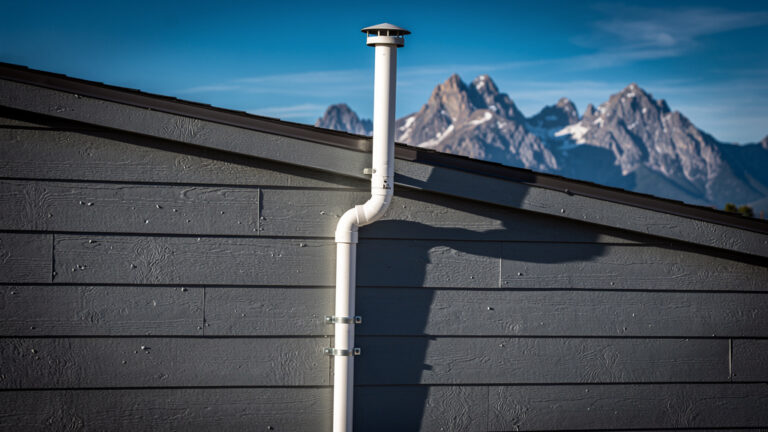
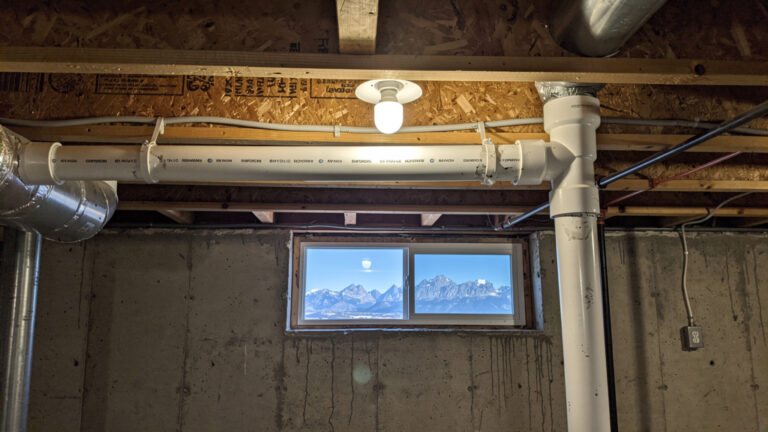
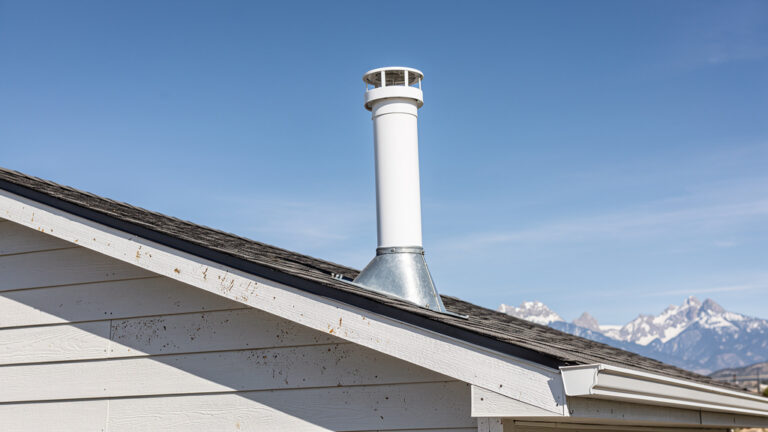
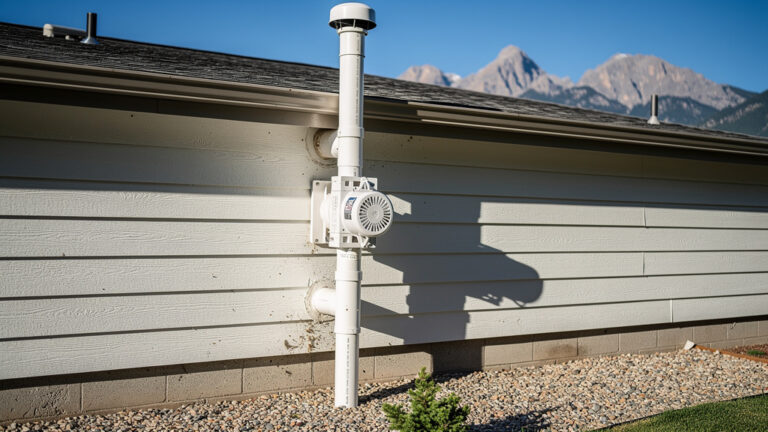
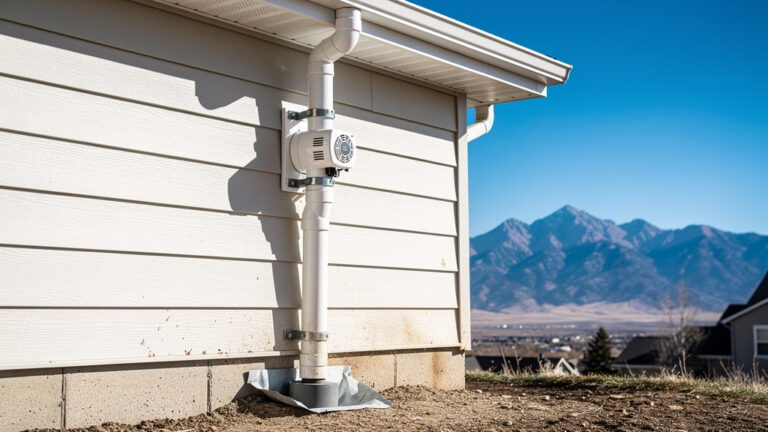
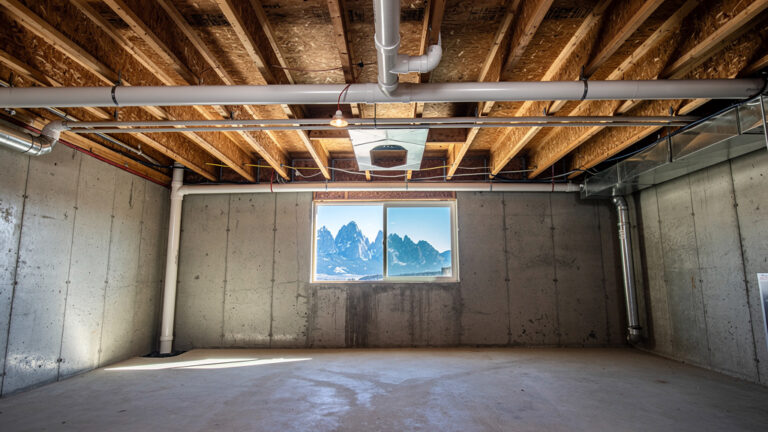
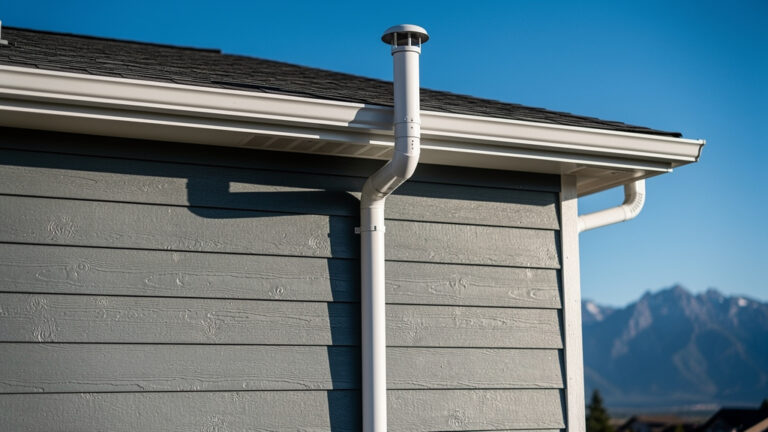
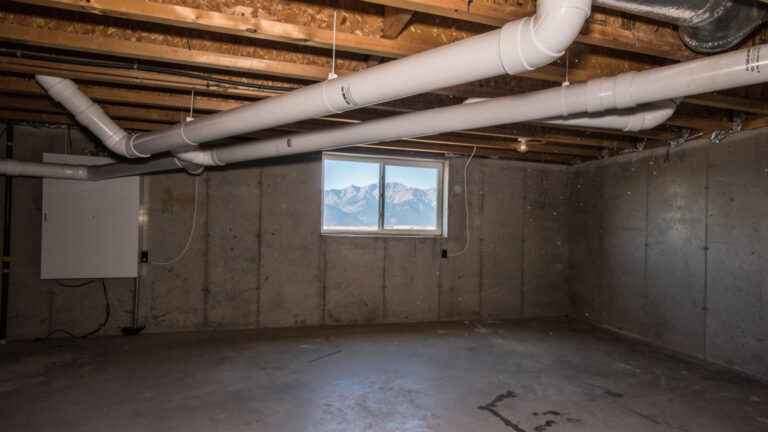
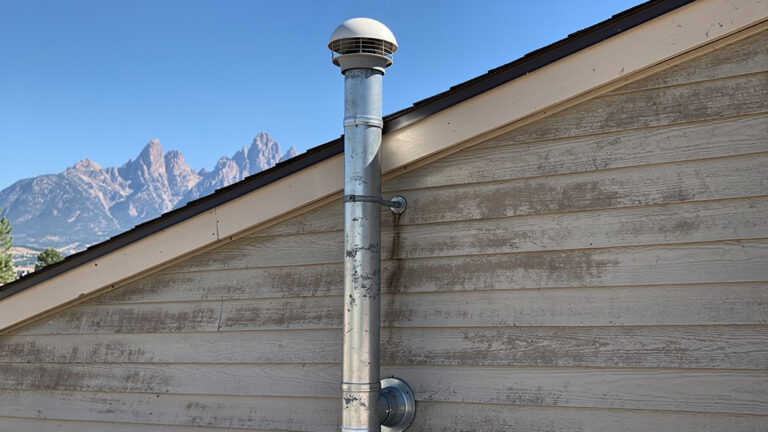
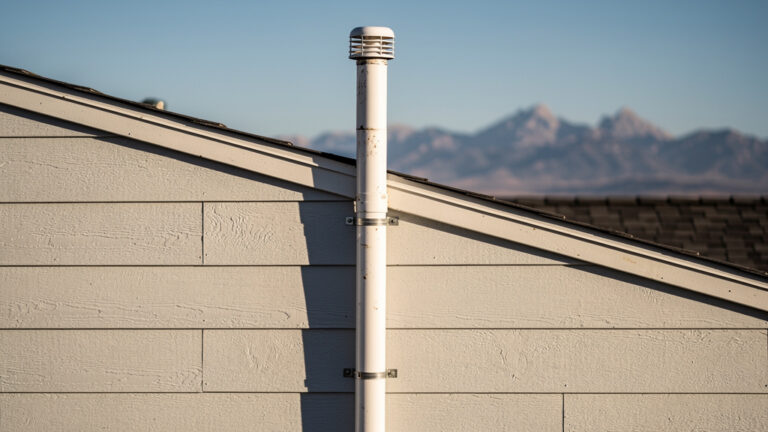
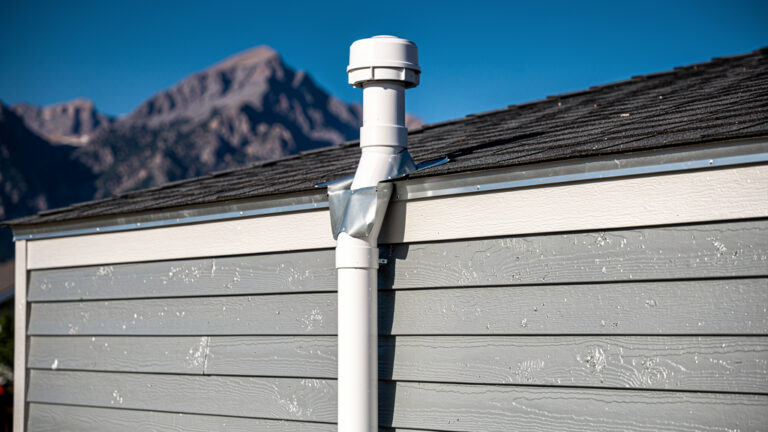
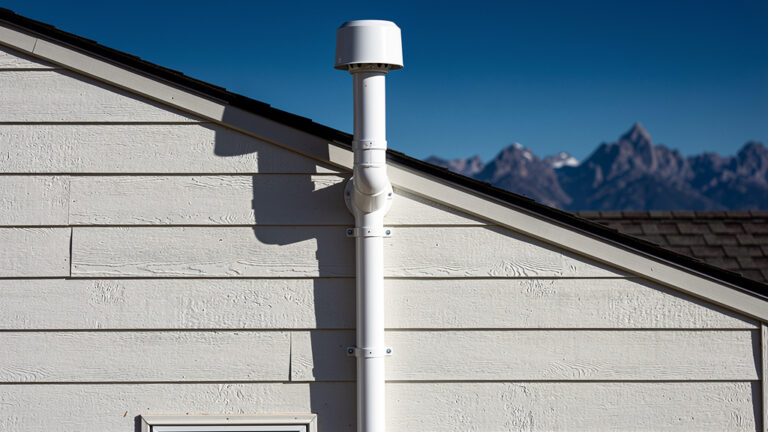
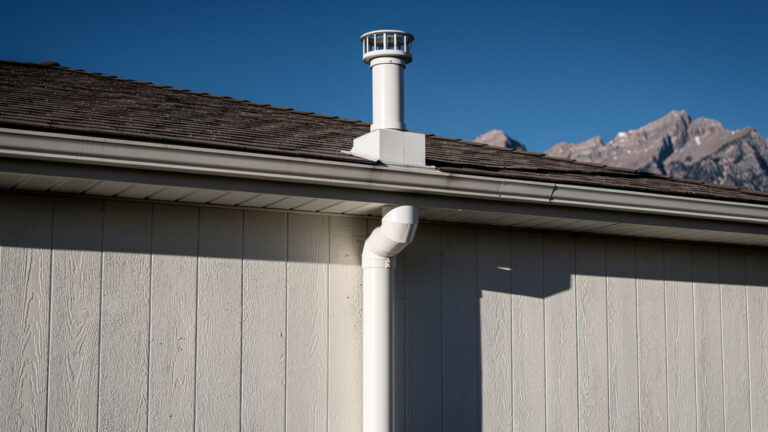
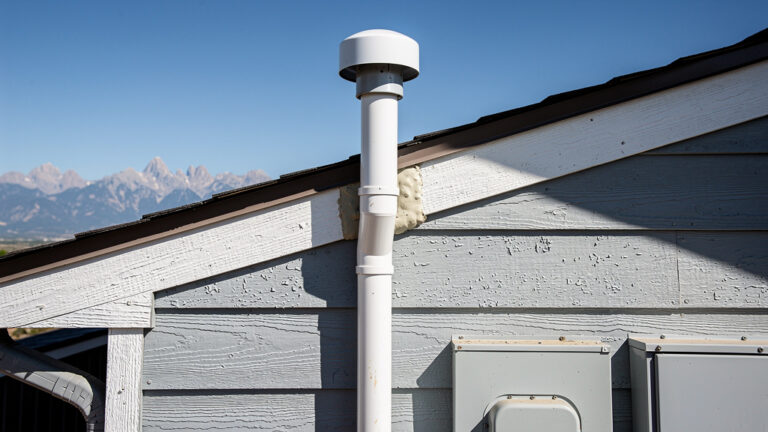
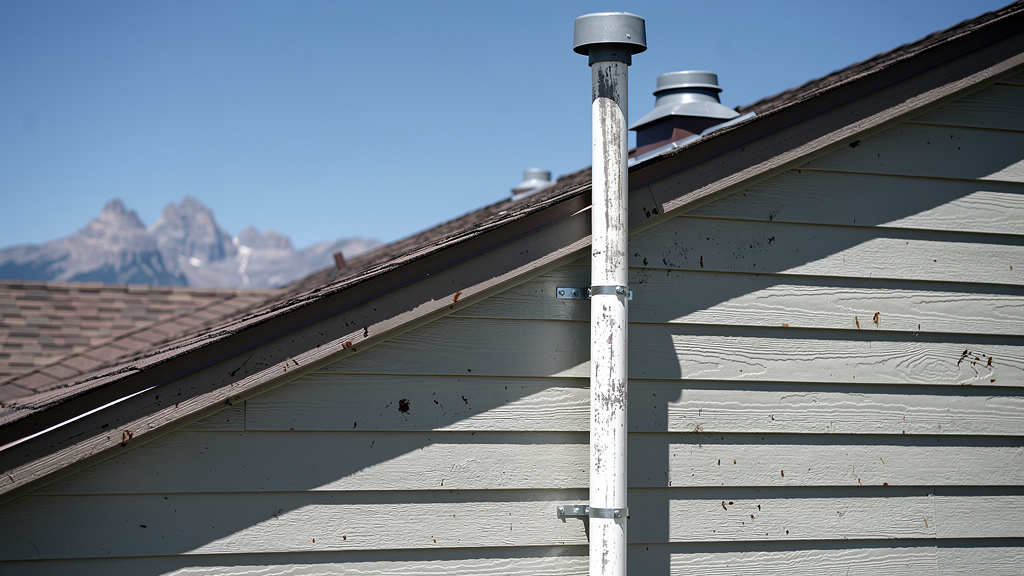
    The most critical component is a passive ventilation pipe that runs from beneath the foundation slab through the roof. This creates a pathway for soil gases to escape without entering your home. Passive systems can lower indoor radon levels by about 50% (Source: Boulder County Government).

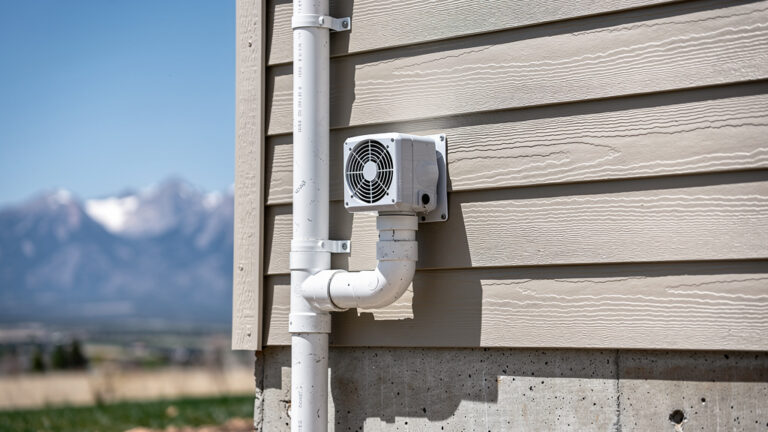
    If passive systems prove insufficient after testing, they can be converted to active systems by adding an inline fan. This conversion costs $550-$850 (Source: Martens Radon) — much less than installing a complete system later.

    All homes with radon-resistant construction must be tested after completion to ensure effectiveness (Source: City of Denver). Even with these systems, some homes may still require active mitigation if radon levels exceed 4.0 pCi/L.

    How Much Do Radon Systems Cost in New vs. Existing Homes?

    Installing radon mitigation during new construction costs significantly less than retrofitting existing homes. Professional retrofit mitigation in Denver Metro averages $2,000, with most projects ranging $1,000-$3,000 (Source: 5280 Radon Mitigation). Standard retrofit systems typically cost $1,400-$1,800 (Source: Martens Radon).

    Complex installations involving multiple foundation zones can cost Colorado homeowners $1,600-$4,000 (Source: Custom Radon Denver). Crawlspace systems with encapsulation range $1,900-$2,800+ (Source: Martens Radon).

    New construction systems cost much less because installation happens during foundation work. The builder includes passive system components — gravel layer, vapor barrier, and ventilation pipe — as part of normal construction. Material costs are minimal compared to retrofit excavation and concrete penetration.

    System Type Cost Range Timeline
    New construction passive system $300-$800 During foundation pour
    Activate existing passive system $550-$850 1 day
    Standard retrofit system $1,400-$1,800 1-2 days
    Complex retrofit system $1,600-$4,000 2-3 days

    When Should You Test Your New Home?

    New homes with radon-resistant construction must still be tested. Boulder County specifically requires testing “as soon as possible after move-in” (Source: Boulder County Government). Don’t assume the passive system eliminated your radon problem.

    Test during the first heating season when windows stay closed and soil gases have maximum opportunity to enter. Use a continuous radon monitor or hire a licensed professional for accurate results. Colorado requires radon professionals to be licensed under HB21-1195 (Source: VERTEX Environmental Consulting).

    If your new home tests above 4.0 pCi/L despite radon-resistant construction, the passive system needs activation. This involves adding an inline fan to create active soil depressurization. The existing pipe and sealing work make activation straightforward and affordable.

    When to Call a Professional

    Contact a licensed radon professional if your new home tests above 2.0 pCi/L, even with radon-resistant construction. While 4.0 pCi/L triggers EPA action recommendations, many professionals suggest mitigation at lower levels for optimal health protection.

    Call immediately if testing reveals levels above 4.0 pCi/L. These concentrations require active mitigation systems, not just passive ventilation. Licensed contractors can evaluate your existing passive system and recommend the most effective activation method.

    Professional installation ensures compliance with Colorado’s licensing requirements and proper system performance. DIY radon mitigation often fails due to improper fan sizing, inadequate sealing, or incorrect pipe routing.

    What Homeowners Should Do Next

    First, determine if your municipality requires radon-resistant construction by contacting your local building department. Even where not mandated, request passive radon systems from your builder — the minimal upfront cost provides valuable future protection.

    Test your completed home regardless of radon-resistant features. Purchase a continuous radon monitor ($150-$300) or hire a licensed professional for accurate baseline measurements. Document your results for future reference and potential system optimization.

    If levels exceed comfort thresholds, activate existing passive systems or install complete mitigation systems. Licensed contractors can evaluate your home’s specific conditions and recommend the most effective approach for lasting radon reduction.

    FAQ

    Q: Do all new homes in Denver require radon mitigation systems?

    No, requirements vary by municipality. Some Denver-area cities mandate radon-resistant construction while others don’t.

    Q: How much does radon-resistant construction add to new home costs?

    Passive systems typically add $300-$800 to new construction costs compared to $1,400+ for retrofit systems.

    Q: Can I skip radon testing if my new home has a passive system?

    No, testing is required even with radon-resistant construction to verify system effectiveness.

    Q: What happens if my new home still tests high with passive systems?

    The passive system can be activated with an inline fan for $550-$850 to create active mitigation.

    Q: Are radon levels different in new vs. old homes?

    Construction type matters more than age. Some new homes test higher than older properties.

    Sources

    • Boulder County Government: Radon-Resistant Construction requirements
    • City of Denver: Appendix F Radon Control Methods, Denver Residential Code 2018
    • Custom Radon Denver: 2025 Radon Mitigation Cost in Denver
    • 5280 Radon Mitigation: Radon Mitigation Cost in the Denver Metropolitan Area
    • KUNC Public Radio: Colorado Doesn’t Require Radon Testing, But You Should Consider It
    • Martens Radon: Radon Mitigation Cost – Denver Metro Pricing
    • VERTEX Environmental Consulting: Radon in Colorado: New Regulations and Implications

    RadonSweep connects Denver-area homeowners with licensed radon professionals who understand Colorado’s unique radon challenges. Whether you’re building new or need existing home testing, local expertise ensures proper radon protection for your family’s long-term health.


  • What Radon Levels Require Mitigation in Denver Homes?

    The EPA requires radon mitigation when levels reach 4.0 pCi/L or higher, and also recommends considering mitigation between 2.0-4.0 pCi/L (Source: U.S. Environmental Protection Agency).

    Why Radon Levels Matter More in Denver

    Denver sits in EPA Zone 1, meaning high radon potential with predicted indoor levels above 4.0 pCi/L (Source: RadonVerdict.com). Colorado’s geology creates unique radon challenges — naturally occurring uranium in granite and gneissic bedrock produces radon gas that seeps into homes (Source: Colorado Geological Survey).

    The statistics are sobering. Nearly half of Colorado homes tested between 2005-2022 exceeded the EPA action level, with 48.3% showing radon levels above 4.0 pCi/L (Source: Colorado Environmental Public Health Tracking). Colorado State University research shows the statewide average indoor radon level is approximately 6.3 pCi/L — well above the EPA action threshold (Source: Colorado Geological Survey).

    This isn’t just a number problem. Radon causes approximately 500 lung cancer deaths annually in Colorado, making it the leading cause of lung cancer in non-smokers (Source: Colorado Department of Public Health and Environment).

    What Does 4.0 pCi/L Actually Mean?

    The 4.0 picocuries per liter threshold represents the point where mitigation becomes cost-effective and necessary for health protection (Source: U.S. Environmental Protection Agency).

    To understand this measurement: one picocurie equals one trillionth of a curie, measuring radioactive decay. At 4.0 pCi/L, you’re exposed to radiation equivalent to smoking half a pack of cigarettes daily. The EPA established this level as technologically achievable in the vast majority of homes while being incrementally cost-effective at $700,000 per life saved (Source: U.S. Environmental Protection Agency).

    Denver’s elevation at 5,280 feet doesn’t directly affect radon levels, but the city’s geological foundation does. The uranium-rich soils and bedrock throughout the Denver metro area create conditions where many homes naturally exceed safe radon levels without mitigation systems.

    Should You Mitigate Between 2.0-4.0 pCi/L?

    The EPA recommends considering mitigation for radon levels between 2.0-4.0 pCi/L, though it’s not mandatory at this range (Source: U.S. Environmental Protection Agency).

    This gray zone requires weighing factors like long-term occupancy plans, family health history, and cost considerations. Many Denver homeowners choose mitigation at 2.5-3.5 pCi/L, especially with children in the home or family lung cancer history.

    Colorado health officials support this approach. The Colorado Department of Public Health and Environment states homeowners should “consider fixing homes for radon levels between 2-4 pCi/L” (Source: Larimer County Health Department).

    The decision often comes down to peace of mind versus cost. Since mitigation systems typically last 15-20 years with minimal maintenance, many Denver families view it as worthwhile health insurance even at moderate levels.

    How Much Does Mitigation Cost in Denver?

    Professional radon mitigation in Denver County averages $1,317, with typical costs ranging from $950 to $1,685 (Source: RadonVerdict.com).

    Statewide, Colorado estimates mitigation costs between $1,000-$3,000 for most homes, with Denver metro installations typically averaging $2,000 (Source: Colorado Department of Public Health and Environment). Sub-slab depressurization — the most common and effective system — involves installing a pipe through the foundation slab with a fan that draws radon from beneath the home before it can enter.

    Low-income Denver households may qualify for the Colorado Low Income Radon Mitigation Assistance Program, which provides up to $1,500 toward system installation (Source: Colorado Department of Public Health and Environment). This program covers owner-occupied homes that meet income guidelines.

    Additional costs include electrical work averaging $349 for powering the system fan, and annual maintenance typically under $150 for fan inspection and system checks.

    Radon Level Categories and Actions

    Radon Level (pCi/L) Action Required Timeline Estimated Cost
    Below 2.0 No action needed N/A $0
    2.0 – 4.0 Consider mitigation Within 2 years $950 – $1,685
    4.0 – 8.0 Mitigation recommended Within 2 years $950 – $1,685
    8.0 – 20.0 Mitigation required Within months $1,200 – $2,500
    Above 20.0 Immediate action Within weeks $1,500 – $3,000+

    Source: Colorado Department of Public Health and Environment, RadonVerdict.com

    When to Call a Professional

    Contact a licensed radon professional immediately if your test results show levels at or above 4.0 pCi/L. Colorado requires radon professionals to maintain licensing through DORA and carry at least $500,000 in professional liability insurance (Source: Angi).

    Warning signs that require professional assessment include test results above 2.0 pCi/L, inconsistent readings between different areas of your home, or if you’re buying or selling property. Colorado Senate Bill 23-206 now requires radon disclosure in real estate transactions as of August 7, 2023 (Source: Colorado Environmental Public Health Tracking).

    Don’t attempt DIY mitigation on levels above 4.0 pCi/L. While DIY kits cost $500-$1,000, improper installation can actually increase radon levels or create new safety hazards. Licensed contractors understand Denver’s specific geological challenges and building codes.

    What Denver Homeowners Should Do Next

    Start with EPA-approved short-term testing using charcoal canisters or continuous monitors. Place tests in the lowest regularly occupied level of your home, away from windows and exterior walls. Follow 48-hour closed-house conditions for accurate readings.

    If initial results show 2.0 pCi/L or higher, conduct a follow-up long-term test or install a continuous radon monitor for ongoing measurement. Document all test results — you’ll need this information for real estate transactions or insurance purposes.

    Schedule professional mitigation if levels exceed 4.0 pCi/L. Get quotes from multiple licensed contractors, verify insurance coverage, and ask about system warranties. Post-mitigation testing should confirm levels below 2.0 pCi/L.

    FAQ

    Q: Do all Denver homes need radon testing?

    Yes, EPA recommends testing all homes regardless of age or foundation type, especially in high-radon Colorado.

    Q: How often should I retest for radon?

    Test every two years if no mitigation system, annually after system installation, and after major renovations.

    Q: Can I use a home radon test kit?

    Yes, EPA-approved short-term kits provide reliable screening results for $15-$40 from hardware stores.

    Q: Does homeowner’s insurance cover radon mitigation?

    Typically no, but some policies cover mitigation if radon damage is proven from specific covered events.

    Q: Are radon levels higher in winter in Denver?

    Often yes, due to increased heating and reduced ventilation creating stronger soil gas draw into homes.

    Sources

    • U.S. Environmental Protection Agency: Radon action levels and mitigation recommendations
    • Colorado Department of Public Health and Environment: Radon FAQ and mitigation guidelines
    • Colorado Environmental Public Health Tracking: Radon statistics and disclosure requirements
    • Larimer County Health Department: Radon information and cost estimates
    • Colorado Geological Survey: Colorado geology and radon occurrence
    • RadonVerdict.com: Denver County radon mitigation costs
    • Angi: Denver radon mitigation cost analysis
    • VERTEX Engineering: Colorado radon regulations and statistics

    RadonSweep connects Denver homeowners with certified radon professionals who understand Colorado’s unique geological challenges. Their network includes licensed contractors experienced in Denver’s building codes and soil conditions, ensuring proper mitigation system design and installation.


  • What Should Denver Homeowners Know About Radon Testing?

    Denver homeowners buying or selling property must understand radon testing requirements, timing, and mitigation options for successful real estate transactions.

    Why Is Radon Testing Required in Denver Real Estate?

    Colorado ranks among the top states for elevated radon levels, making testing essential for all property transactions. Denver’s geology, combined with the city’s 5,280-foot elevation, creates conditions where radon gas accumulates in homes at concerning levels.

    The Colorado Department of Public Health requires radon disclosure in real estate transactions. Sellers must inform buyers of any known radon testing results or mitigation systems. This requirement protects buyers and helps prevent post-closing disputes over radon issues.

    Most mortgage lenders now require radon testing for homes in high-radon areas like Denver. FHA, VA, and conventional loans often mandate testing when radon levels could affect property value or habitability. Real estate contracts typically include radon contingencies allowing buyers to negotiate repairs or walk away if levels exceed 4.0 picocuries per liter (pCi/L).

    Denver’s spring home-buying season sees increased radon testing demand. Professional testing companies often book 7-10 days out during peak months (March through June). Scheduling testing early prevents closing delays and gives all parties time to address elevated results.

    When Should Radon Testing Happen During a Sale?

    Professional radon testing should occur within 10 days of the home inspection, using EPA-approved 48-hour protocols for real estate transactions. This timing ensures results arrive before financing deadlines while maintaining test accuracy.

    The 48-hour short-term test provides reliable screening data for real estate decisions. Professional technicians place continuous radon monitors or charcoal canisters in the lowest livable level of the home. Testing requires closed-house conditions — windows and doors remain shut except for normal entry and exit.

    Denver’s variable spring weather can affect radon levels, making proper testing protocols crucial. Temperature differences between soil and indoor air influence how radon enters homes. Professional testers understand these factors and adjust placement accordingly.

    Testing costs range from $150-$250 for professional real estate testing in Denver. This investment protects buyers from discovering elevated radon after closing, when mitigation becomes their responsibility. Some home inspectors offer package deals including radon testing for $300-$400 total.

    Sellers can proactively test before listing to address radon issues early. Pre-listing testing costs the same but allows sellers to install mitigation systems without transaction pressure. Homes with functioning mitigation systems often sell faster and at better prices.

    What Radon Levels Require Action in Colorado?

    EPA action level is 4.0 pCi/L or higher, but Colorado health officials recommend considering mitigation at 2.7 pCi/L due to the state’s naturally elevated background levels.

    Denver-area homes average 6-8 pCi/L without mitigation, well above EPA action levels. Some neighborhoods near the foothills see levels exceeding 20 pCi/L. These elevated concentrations result from uranium-rich soil and granite bedrock underlying much of the Denver metro area.

    Colorado building codes require radon-resistant new construction (RRNC) for homes built after 2005. These features include vapor barriers, vent pipes, and electrical rough-in for future fan installation. However, RRNC doesn’t guarantee low radon levels — testing remains necessary.

    Real estate negotiations typically follow these guidelines:

    Radon Level Typical Response
    Below 2.0 pCi/L No action needed
    2.0-3.9 pCi/L Monitor annually, consider mitigation
    4.0-7.9 pCi/L Mitigation recommended within 1 year
    8.0+ pCi/L Immediate mitigation required

    Buyers can request seller-paid mitigation for levels above 4.0 pCi/L. Mitigation systems cost $800-$2,500 installed, with $1,200 being typical for standard Denver homes. Systems reduce radon levels by 80-99%, usually achieving results below 2.0 pCi/L.

    How Do Mitigation Systems Work in Denver Homes?

    Sub-slab depressurization systems remove radon before it enters homes by creating negative pressure beneath the foundation and venting gas outside through roof-mounted fans.

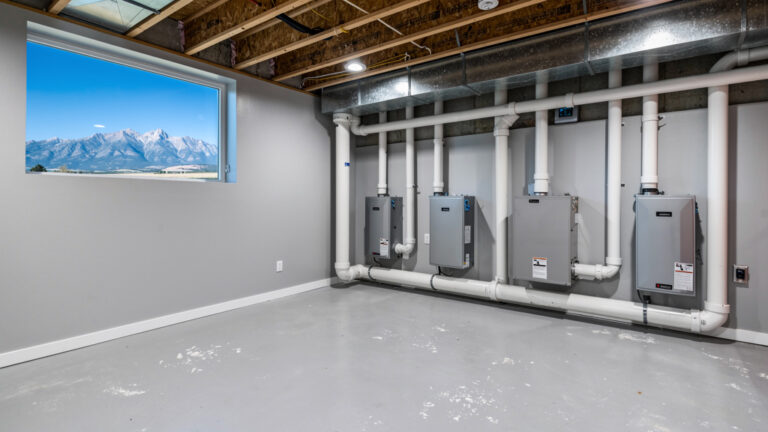
    Denver’s clay soil and concrete slab foundations work well with standard mitigation approaches. Contractors drill a hole through the basement slab, insert a PVC pipe connected to an exterior fan, and seal the system. The fan runs continuously, drawing radon from beneath the foundation and exhausting it above the roof line.

    Older Denver homes with crawl spaces or stone foundations may require different approaches. Crawl space encapsulation with vapor barriers and ventilation fans addresses radon in these situations. Some historic homes need multiple suction points or specialized sealing techniques.

    Installation typically takes 4-6 hours for standard systems. Contractors must follow Colorado licensing requirements and provide post-mitigation testing. Systems include 5-year warranties and should reduce levels below 4.0 pCi/L within 24-48 hours of activation.

    Annual maintenance costs $0-$150 for fan inspection and system monitoring. Quality systems last 15-20 years with minimal maintenance. Homeowners should test every 2 years to verify continued effectiveness, especially after home renovations or foundation work.

    What Are Common Radon Testing Mistakes?

    Opening windows during testing invalidates results, as does running whole-house fans or maintaining unusual temperatures that affect natural air pressure patterns in homes.

    Real estate testing requires specific protocols that DIY testing often misses. Professional technicians seal lower-level windows and doors, disable HVAC systems affecting pressure differentials, and place monitors in optimal locations. Improper placement near exterior walls, HVAC vents, or high-traffic areas skews results.

    Weather conditions during testing matter significantly in Denver. Spring storms, chinook winds, and rapid temperature changes influence radon entry rates. Professional testers monitor weather forecasts and may reschedule testing during extreme conditions that could affect accuracy.

    Chain of custody documentation protects all parties in real estate transactions. Professional testing companies provide sealed sample containers, tracking numbers, and certified laboratory analysis. DIY tests lack this documentation trail, making results difficult to verify if disputes arise.

    Some buyers request multiple tests or extended testing periods beyond standard protocols. While longer testing provides more data, real estate timelines rarely accommodate 90-day long-term testing. Professional short-term testing following EPA protocols provides reliable screening data for transaction decisions.

    Denver’s altitude affects some electronic radon monitors, requiring calibration adjustments. Professional testing companies use equipment calibrated for local conditions. Consumer-grade monitors may not account for Denver’s elevation, potentially providing inaccurate readings during critical real estate decisions.

    FAQ

    Q: How long does radon testing take for real estate transactions?

    Professional testing requires 48-72 hours of closed-house conditions, with results available within 24-48 hours after pickup.

    Q: Can I use a DIY radon test kit for real estate?

    Most contracts require professional testing with certified laboratory analysis and proper chain of custody documentation.

    Q: What happens if radon levels are elevated during a sale?

    Buyers can negotiate seller-paid mitigation, price reduction, or cancel the contract depending on agreement terms.

    Q: Does Denver require radon testing for all home sales?

    Colorado requires radon disclosure but not mandatory testing. However, most contracts include radon contingencies requiring testing.

    Q: How much does radon mitigation cost in Denver?

    Professional mitigation systems cost $800-$2,500 installed, with $1,200 being typical for standard residential applications.

    RadonSweep provides professional radon testing and mitigation consultation throughout the Denver metro area. Their certified technicians understand Colorado’s unique geological conditions and help homeowners navigate radon issues during real estate transactions with accurate testing and practical solutions.


  • Hello world!

    Welcome to WordPress. This is your first post. Edit or delete it, then start writing!